01 — Context
From an email request
to an in-app task
Buying a Novo policy didn’t always mean the setup was finished. Underwriting could still need proof of prior insurance, but those requests were handled over email. Some people sent the wrong thing, like a photo of an old insurance card. If they didn’t respond before the deadline, their policy could be canceled.
I worked on moving document requests into the app, where policyholders could see what underwriting needed and submit it before the deadline. We later expanded the flow to include vehicle photos.
02 — The Problem
25% were leaving
in the first month
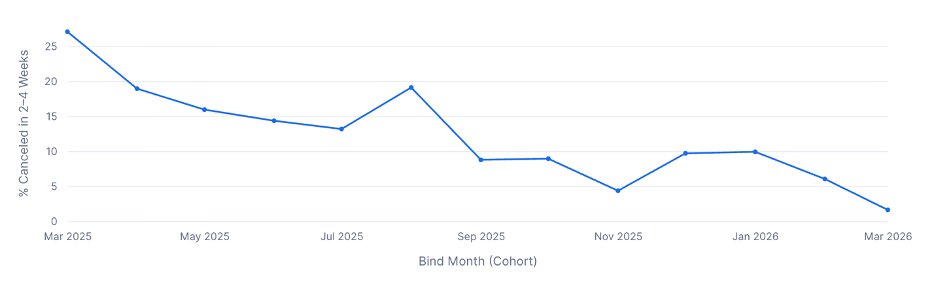
When policyholders signed up for Novo, a quarter of them cancelled within two to four weeks. Early churn at that scale had one clear cause: people weren’t finishing setup. Uploading required documents, completing vehicle information, granting permissions: these steps were unclear, scattered, and easy to abandon.
Users who didn’t complete setup couldn’t access the product they were paying for. Users who couldn’t access it left. The fix wasn’t adding features. It was removing friction from the ones that already existed.
25% of new policyholders cancelled within 2–4 weeks. Incomplete setup was the common thread.
03 — Impact
What changed
after it shipped
Out of every 100 new policyholders, 25 used to cancel within their first month. Now fewer than 5 do.
04 — Document Upload
The feature
in action
Designed entirely by me. One of the features most directly tied to the churn reduction, making it easy for policyholders to submit required documents without dropping off.
-
01
The request
A banner on the home screen names the document and the date it’s due.
-
02
What’s needed
One screen lists each document and what happens if it arrives late.
-
03
Sending it
Take a photo, pick one from the library, or choose a file. People who don’t have the document can say so.
-
04
Confirmation
Back on the home screen, a message confirms the document is in review.
05 — Vehicle Photos
A quick improvement
for vehicle photos
Later in the project, we turned to another step prospective customers still had to complete by email: sending photos of their car so Novo’s agents had a record of its condition before issuing a policy. Deadlines, oversized files, and unsupported formats made that process harder than it needed to be.
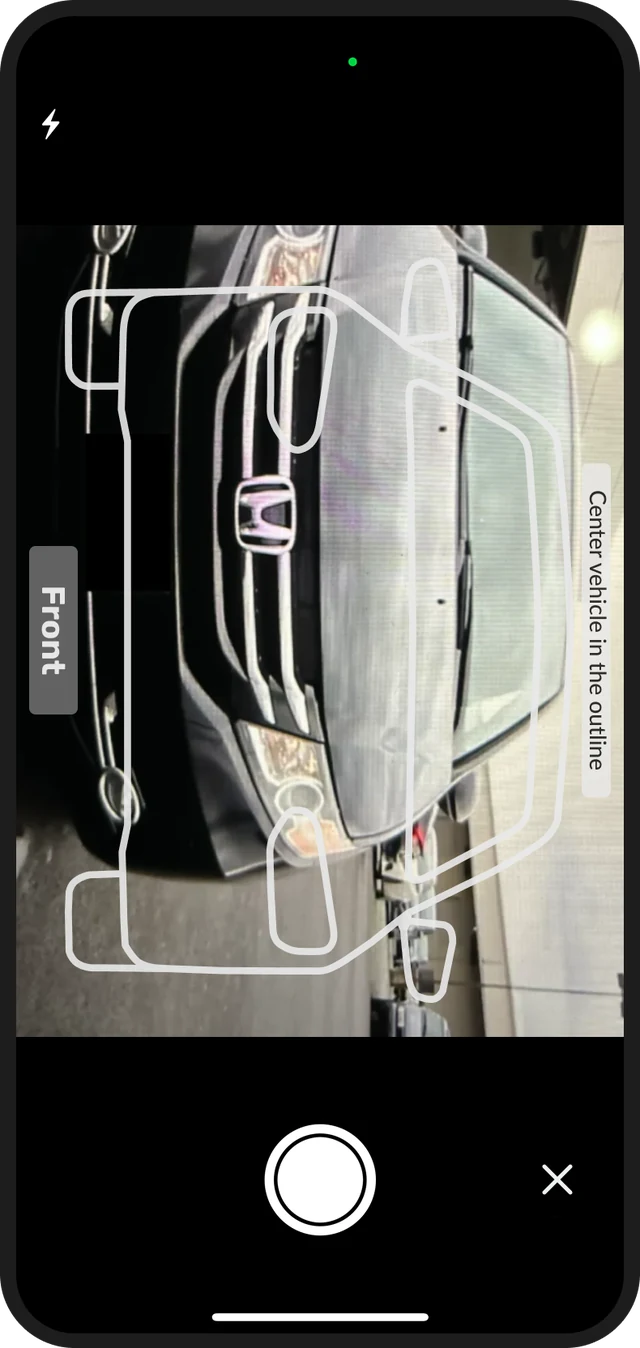
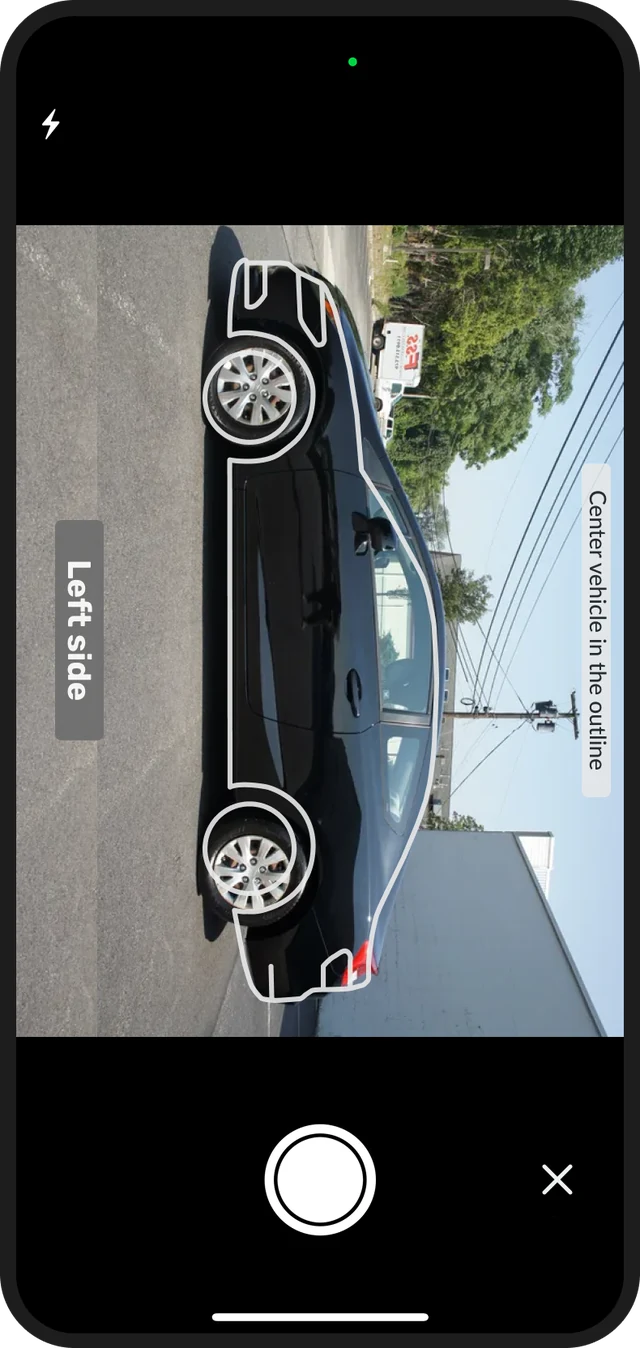
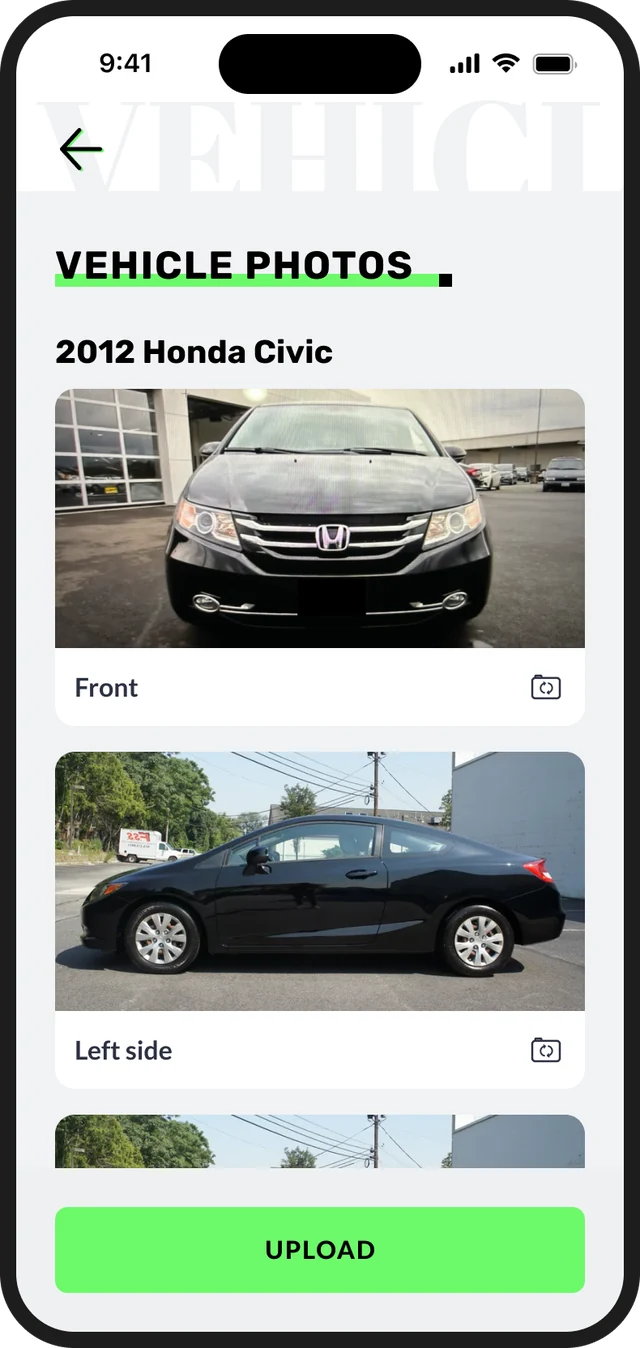
We had about a day to get the feature built, with limited room for technical changes. We brought the step into the app and focused on clear guidance: an outline helped people frame each view of the car, and a review screen showed which photos they had taken before they uploaded them.
06 — Reflection
What this work
actually taught me
Early churn fell from 25% to under 5% as we improved several parts of Novo’s setup. Document Upload was one of those changes. It showed me how much can depend on making a required task clear at the moment someone needs to do it.
For proof of insurance, that meant explaining which document to send and giving people a way to submit it in the app. Later, when we had about a day to bring vehicle photos into the same experience, it meant showing people how to frame each shot and review what they had captured.
Both features came back to the same question: what does someone need to know to finish this confidently? Answering it helped customers complete setup and gave Novo’s agents the information they needed.
What does someone need to know to finish this confidently?